When retailers search for cooler racks, they are rarely looking for a generic shelf. They are seeking a system that operates reliably within refrigerated environments while supporting sales, efficiency, and daily operations.
Not all cooler racks are designed with those outcomes in mind. Some simply hold the product. Others are built to actively support merchandising and workflow. Understanding what distinguishes a high-performance cooler rack from a basic one enables retailers to make informed decisions without needing to learn specialized shelving terminology.
How Cooler Racks Function in Retail Settings
In retail refrigeration, cooler racks serve multiple roles at once. They hold product, define how items are presented to shoppers, and shape how employees restock and maintain displays.
Because coolers are high-traffic, high-visibility areas, the performance of the rack directly affects how often shelves need attention and how consistently products remain available at the front of the display.
A high-performance cooler rack is designed with this reality in mind. It supports continuous product movement rather than assuming shelves will stay organized on their own.
Why Shelf Behavior Matters More Than Rack Structure

Many cooler racks look similar at first glance. The difference in performance typically stems from how the shelf behaves once customers start shopping.
Static shelves rely on manual effort to maintain presentation. As products are removed, remaining items stay in place, creating gaps that must be corrected by staff. Over time, this leads to inconsistent displays and increased labor.
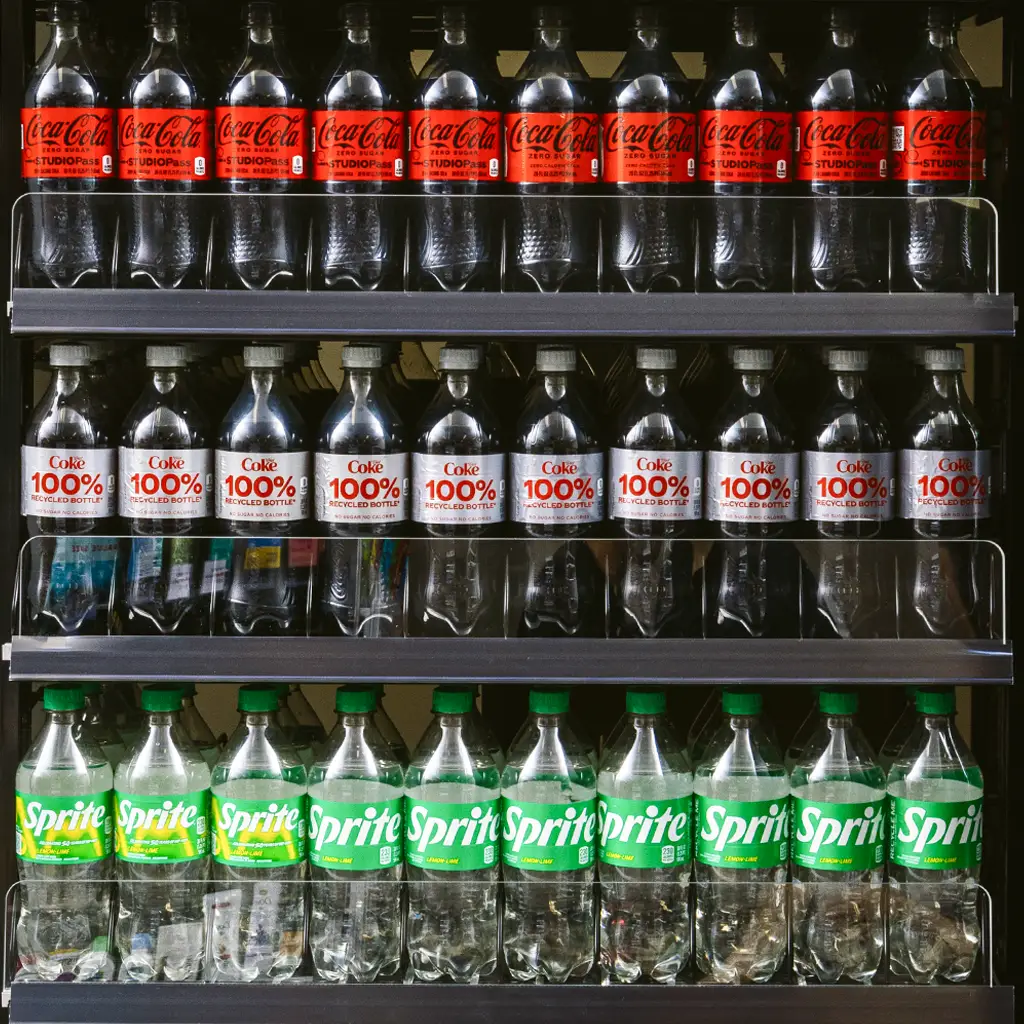
High-performance cooler racks use shelving systems that actively manage product flow. Instead of waiting for someone to intervene, the shelf itself keeps products positioned at the front, where they are most easily visible and accessible.
This shift from passive to active shelving is one of the defining characteristics of modern cooler rack design.
Consistency as a Core Performance Metric
Consistency is what separates average cooler racks from high-performing ones.
Consistently full shelves improve shopper confidence and reduce the perception of out-of-stock items. Consistent product positioning makes it easier for customers to grab items without disrupting the rest of the display. Consistent workflows reduce the time employees spend correcting shelves.
High-performance cooler racks are designed to deliver this consistency throughout the day, not just immediately after restocking.
Supporting Efficient Restocking in Refrigerated Environments
Restocking inside coolers is inherently more challenging than in ambient aisles. Space is tighter, temperatures are colder, and interruptions affect both staff and shoppers.
Cooler racks that support back-loading and automatic product advancement reduce these challenges. Employees can replenish shelves without blocking the selling area, and products move into position without additional handling.
This efficiency becomes increasingly important as SKU counts increase and labor resources become scarce.
Why Product Flow Is Central to Cooler Rack Performance
In high-performing cooler racks, product flow is intentional. Items move in a predictable direction, from restocking to sale, without needing constant adjustment.
This controlled flow supports FIFO (First In, First Out) naturally and reduces the likelihood of older products being overlooked. It also simplifies training, since employees do not need to manually manage shelf order throughout the day.
Cooler racks that lack this flow depend heavily on perfect execution by staff, which is difficult to sustain in busy retail environments.
Adaptability Across Product Categories
Retail coolers typically store a diverse range of products, including beverages, dairy items, and packaged refrigerated goods. A high-performance cooler rack system must adapt to these differences without requiring a complete redesign.
Modern cooler racks achieve this through modular shelving systems that can be configured for different package sizes and merchandising needs. This flexibility allows retailers to adjust assortments while maintaining consistent performance.
Performance Is Measured Over Time
The true test of a cooler rack is not how it looks on installation day, but how it performs weeks and months later.
High-performance cooler racks maintain presentation as traffic fluctuates. They reduce the cumulative labor required to keep shelves organized. They continue to support sales even during peak periods.
This long-term reliability is why retailers increasingly evaluate cooler racks as operational systems rather than static fixtures.
High-Performance Cooler Racks as a Strategic Choice
Choosing a high-performance cooler rack is a strategic decision. It affects how products are sold, how labor is utilized, and how consistently shelves are stocked throughout the day.
As cooler racks evolve, the most effective systems are those that combine rack structure with shelving that actively supports product movement. This combination is what defines modern cooler rack performance in retail environments.